Hiking in the city and strolling through your neighborhood often feels carefree and effortless. With easy access to water, snacks, and other essentials, you can simply get up and go. But when venturing into nature’s trails, preparation becomes a necessity.
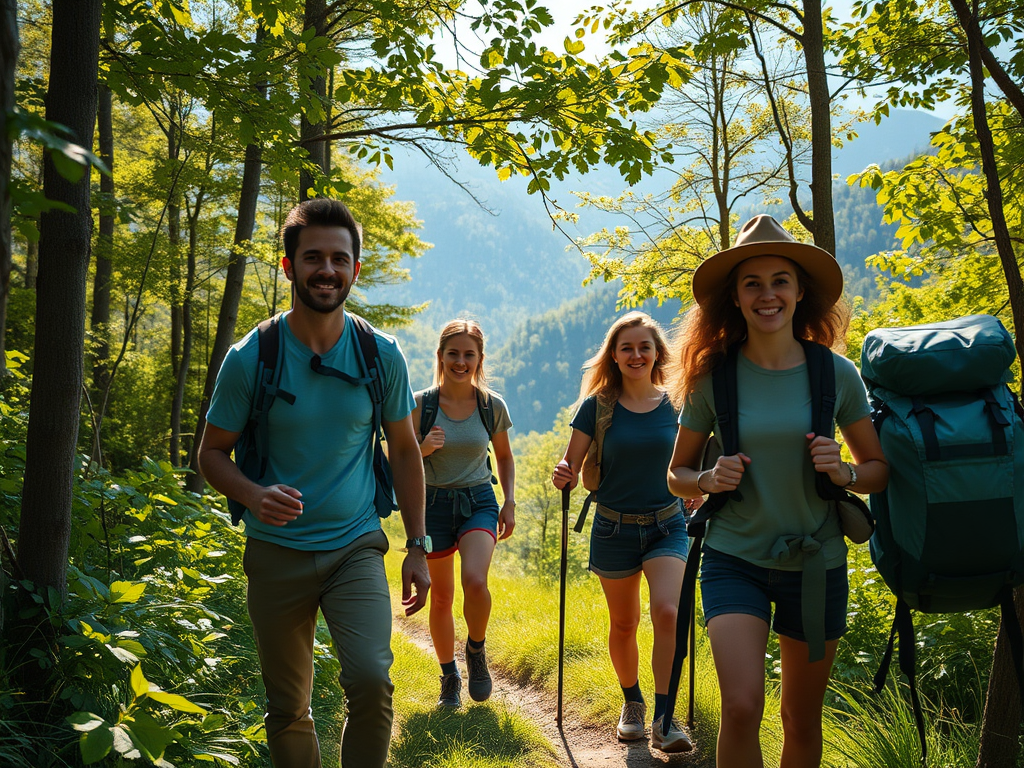
Essentials for Hiking: I always pack a sandwich from Subway, some trail mix, and plenty of water. Freezing a bottle overnight can help keep it cool for a while, though Florida’s heat usually challenges this plan.
Hydration Tips for Hiking:
- Drink Water Regularly: Stay hydrated throughout the day, and don’t rely solely on thirst as an indicator. Pale, clear urine signals good hydration, where as dark urine points to dehydration.
- Monitor Hydration During Activity: While walking with a heavy backpack, sweating increases, especially on hot and humid days. Be mindful of your fluid loss.
- Plan Your Hike: Know the trail distance, time of day, and water availability to ensure you carry enough water.
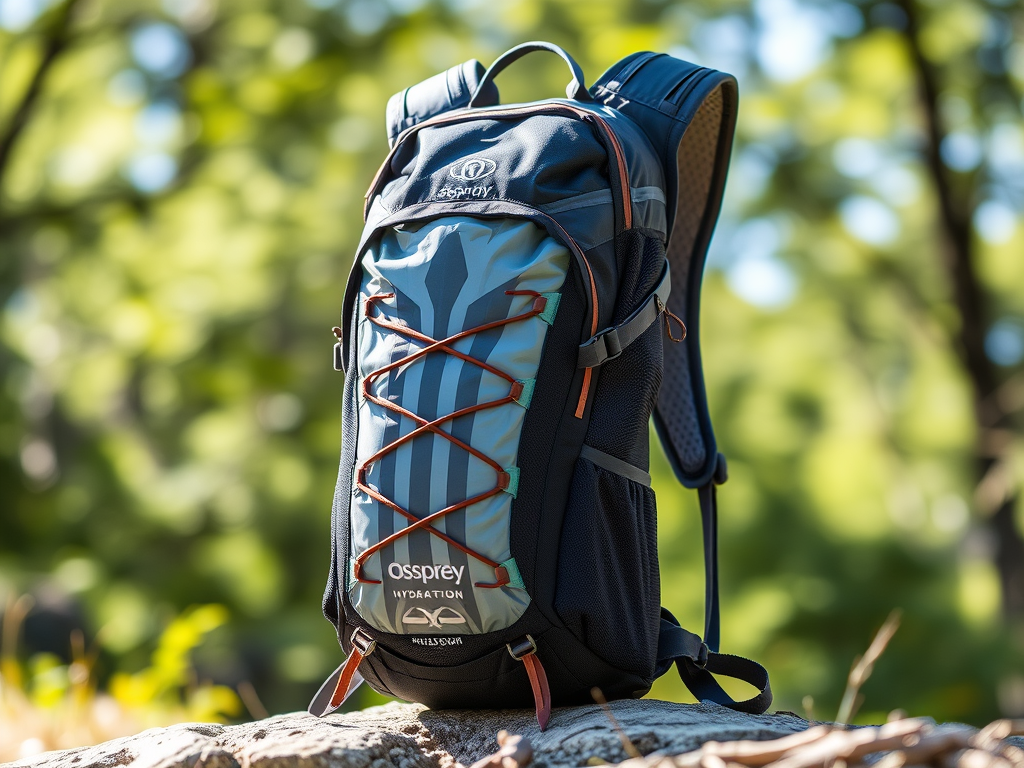
- Use Hydration Packs: Freezing hydration packs the night before keeps your water cooler for longer. An Osprey two-liter pack works wonders for me
- Carry Filtration Systems: Portable water filtration systems are inexpensive, lightweight, and capable of purifying natural water sources.
- Choose Water as Your Primary Beverage: Stick to water for hydration. Fruits and vegetables can supplement your fluid intake, but avoid caffeine and sugary drinks.
- Compact Filtration Systems for Longer Hikes: Katadyne filtration systems are efficient and lightweight, with multiple layers, including ceramic, to provide clean water on the go.
- Understand Your Fluid Needs: Factors like climate, clothing, and exercise intensity determine how much water you need. As a general rule, drink one-third of your body weight in ounces daily (e.g., 50 ounces for a 150-pound individual).
- Electrolytes Matter: Electrolyte packets can be a lifesaver on longer hikes.
Symptoms of Dehydration:
- Lightheadedness, confusion, fatigue
- Muscle cramps, dry mouth, fainting
- Dark urine, minimal urine output
Proper hydration not only supports your heart health and muscle function but also keeps you sharp and safe. Water is crucial for digestion, temperature regulation, and brain function.
A Personal Story: On an eight-mile hike, I underestimated the heat and my water needs. With one liter of water, I got lost on the loop trail, turning my hike into a 16-mile ordeal. By the end, I had only a third of my water left—a situation that taught me the importance of proper planning and hydration.
Preparation is the key to safe and enjoyable hikes, especially in unfamiliar terrains. So, pack wisely and enjoy the adventure!
Hiking for multiple days poses unique challenges, especially regarding hydration and sustenance. It’s essential to adapt your preparation strategies to ensure you meet your needs during extended hikes.
Extended Hiking Preparation:
1. Increased Food Supply:
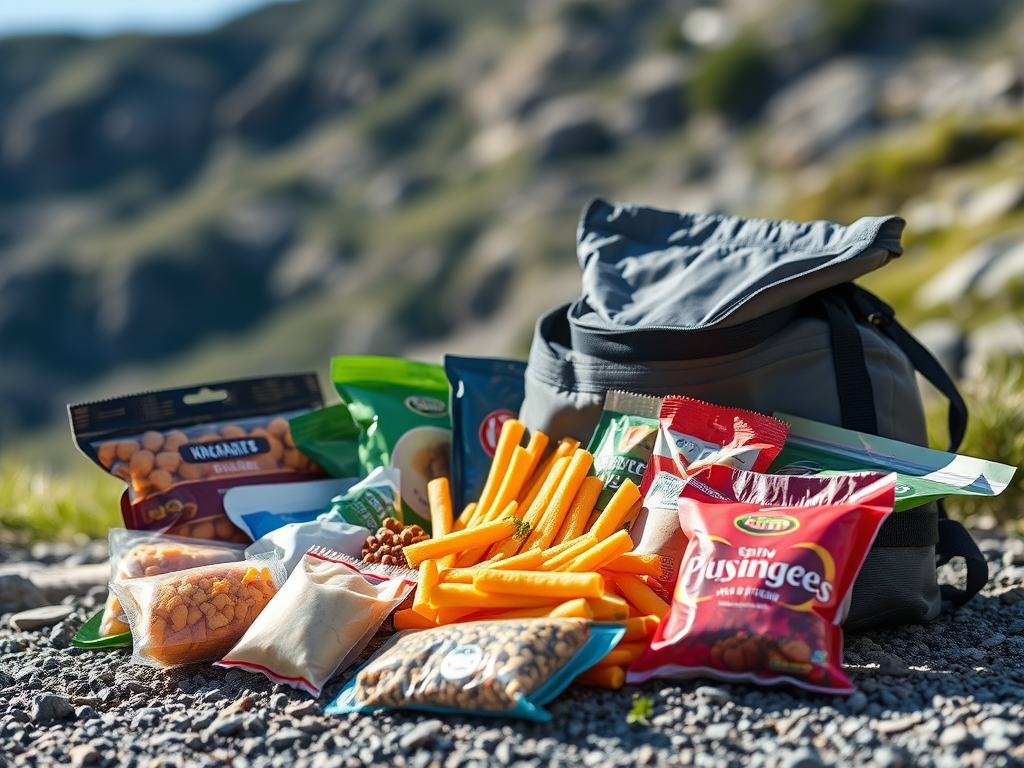
- Plan meals that are lightweight yet filling. Options like dehydrated meals, energy bars, and trail snacks such as jerky, dry nuts, raisins become vital.
2. Water Sources:
- Research available water sources along your route. Carrying a portable water filtration system can help if you need to refill from natural sources.
3. Hydration Strategy:
- Elevate your hydration game by drinking water consistently throughout the day. Carry extra water bottles or a larger hydration pack to accommodate longer periods without access to water.
4. Nutrient Balance:
- Incorporate a good mix of carbohydrates, proteins, and fats in your food choices to sustain your energy levels over several days.
5. Weight Management:
- Prioritize lightweight gear and food to keep your backpack manageable. Every ounce counts over long distances.
6. Navigation and Timing:
- Plan your hiking hours well to make the most of available daylight, and ensure your route is clear of unnecessary challenges.
Symptoms to Monitor:
Be cautious of hydration levels and nutrition. Pay close attention to signs of dehydration and fatigue, which can escalate more quickly during prolonged hikes.
Conclusion:
By preparing thoroughly for multi-day hikes, focusing on adequate hydration, and selecting appropriate food, you can enhance your outdoor experience while keeping yourself energized and safe. Always prioritize safety and be ready to adapt your plans as needed.
Discover more from Travelideasusa
Subscribe to get the latest posts sent to your email.
